Tracing Incentive Flows That Redirect Engagement Between Solitary Reel Sessions and Group Table Encounters Through Varied Transaction Channels in Wireless Environments
Ben Roth · Jul 13, 2026
Tracing Incentive Flows That Redirect Engagement Between Solitary Reel Sessions and Group Table Encounters Through Varied Transaction Channels in Wireless Environments
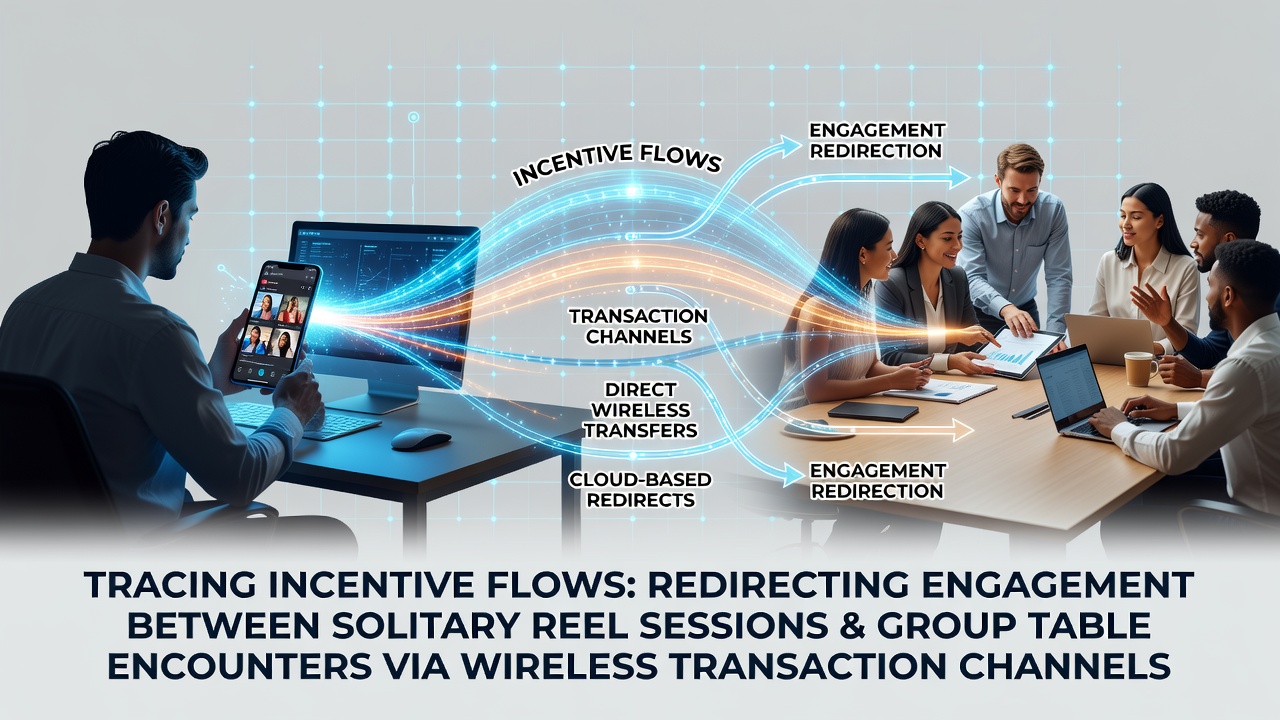
Wireless casino applications have created pathways where loyalty incentives move players from individual reel sessions into live dealer table settings and back again, with transaction channels serving as the primary connectors. Observers note that these flows operate through layered reward structures that activate based on deposit methods, session duration, and game-type transitions recorded on handheld devices. Data from mobile gaming platforms shows that players who complete reel sequences often receive prompts directing them toward table formats when certain wallet thresholds are met, while table participants encounter reel-based multipliers that encourage returns to automated play.
Mapping Incentive Pathways in Mobile Ecosystems
Researchers tracking player navigation patterns in wireless environments have identified distinct sequences where bonus credits earned on reels convert into table entry vouchers once a user initiates a mobile wallet transfer. These conversions rely on real-time tracking that logs each transaction type, whether through direct carrier billing, digital wallets, or linked bank accounts, and then applies tiered multipliers that favor group table participation. Studies conducted across North American operators reveal that incentive redemptions spike during periods when wireless networks support seamless session handoffs, allowing players to maintain progress without resetting progress bars or losing accumulated loyalty points.
Transaction logs examined by analysts indicate that players who alternate between solitary reels and communal tables generate higher overall engagement volumes when incentives route through multiple channels rather than single-method deposits. For instance, a user completing a reel session via cryptocurrency transfer might unlock a live dealer credit that activates only after switching to a group blackjack table, while the reverse flow sends table winnings into reel-specific free spin packages once the player returns to automated formats.
Transaction Channels and Their Role in Engagement Shifts
Varied payment routes in wireless settings determine how quickly incentives redirect attention from one game category to another. Direct mobile carrier billing tends to trigger faster transitions because processing occurs within the same application environment, whereas external wallet services introduce brief delays that sometimes interrupt the intended flow between reels and tables. According to figures released by the New Jersey Division of Gaming Enforcement, mobile transaction volumes involving loyalty redemptions increased notably in the first half of 2026, with operators reporting that multi-channel users switched game types an average of 2.3 times per session compared to 1.1 times for single-channel participants.
Those who have examined cross-border digital platforms observe that currency conversion features within apps further influence these flows, particularly when regional regulations permit instant settlement across different payment rails. Players utilizing international card networks encounter additional incentive layers that reward table entry after reel play, while domestic e-wallet users receive reel-focused bonuses following table sessions. This differentiation creates observable patterns where certain transaction types consistently steer engagement toward group encounters and others reinforce solitary reel activity.
Patterns Observed in July 2026 Data
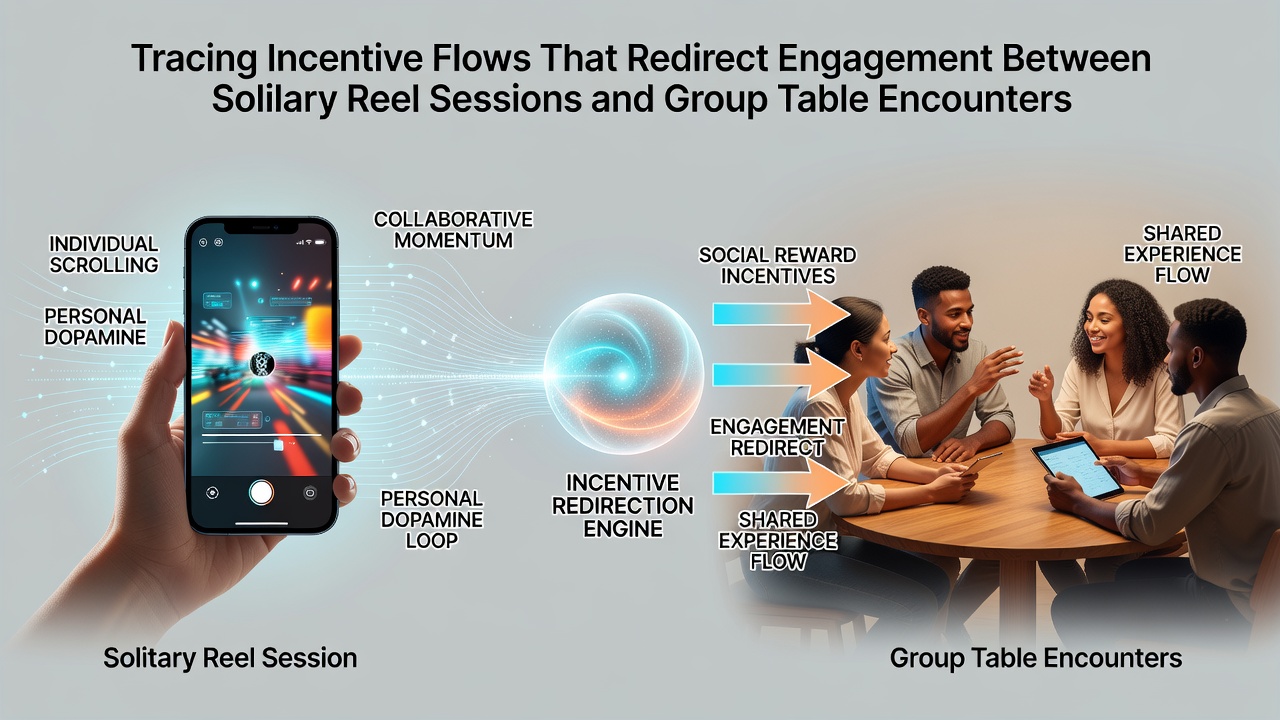
Platform analytics gathered during July 2026 demonstrate that incentive flows between reel and table formats intensify when wireless connectivity remains stable across extended sessions. Operators documented higher conversion rates from individual reel play to live hosted tables when deposit confirmations arrived within the same minute, allowing players to carry forward streak multipliers without interruption. Research indicates that these rapid redirections correlate with increased use of in-app banking features that consolidate multiple transaction types into unified loyalty accounts.
Regional variations appear when operators adapt incentive structures to local wireless infrastructure and payment preferences. In markets where contactless mobile payments dominate, table-to-reel flows receive stronger weighting because users complete group sessions and then immediately access reel bonuses through the same device interface. Conversely, regions favoring prepaid wallet top-ups show stronger reel-to-table redirection as accumulated credits unlock dealer-hosted features once players reach specific volume thresholds.
Regulatory Influences on Channel Selection
Regulatory frameworks in multiple jurisdictions shape which transaction channels carry the most incentive weight. Canadian provincial gaming authorities have documented how electronic payment rules affect the balance between machine-based and dealer-hosted play on wireless apps, with operators adjusting reward timing to comply with settlement requirements. Similar adjustments appear in Australian state reports where mobile transaction caps influence how quickly players can move between game formats without triggering additional verification steps.
Academic examinations of these systems, including work published through the University of Nevada's gaming research center, highlight that incentive flows remain most effective when transaction channels align with existing user habits rather than introducing new verification layers. Players who already rely on specific wireless payment methods show higher retention across both reel and table categories when incentives follow those established routes without requiring additional app switches or account linkages.
Conclusion
Tracing incentive flows reveals a system where transaction channels function as control points that redirect engagement between solitary reel sessions and group table encounters in wireless environments. The data collected through 2026 demonstrates consistent patterns driven by payment method, network stability, and regulatory constraints rather than random player choice. As operators continue refining these pathways, the measurable outcomes center on session frequency, game-type alternation rates, and overall transaction volumes recorded across mobile platforms.