Shifting Focus: The Impact of VIP Tiers on Payment Choices During Extended Live Dealer Blackjack Play on Smartphones
Avery Jenkins · May 18, 2026
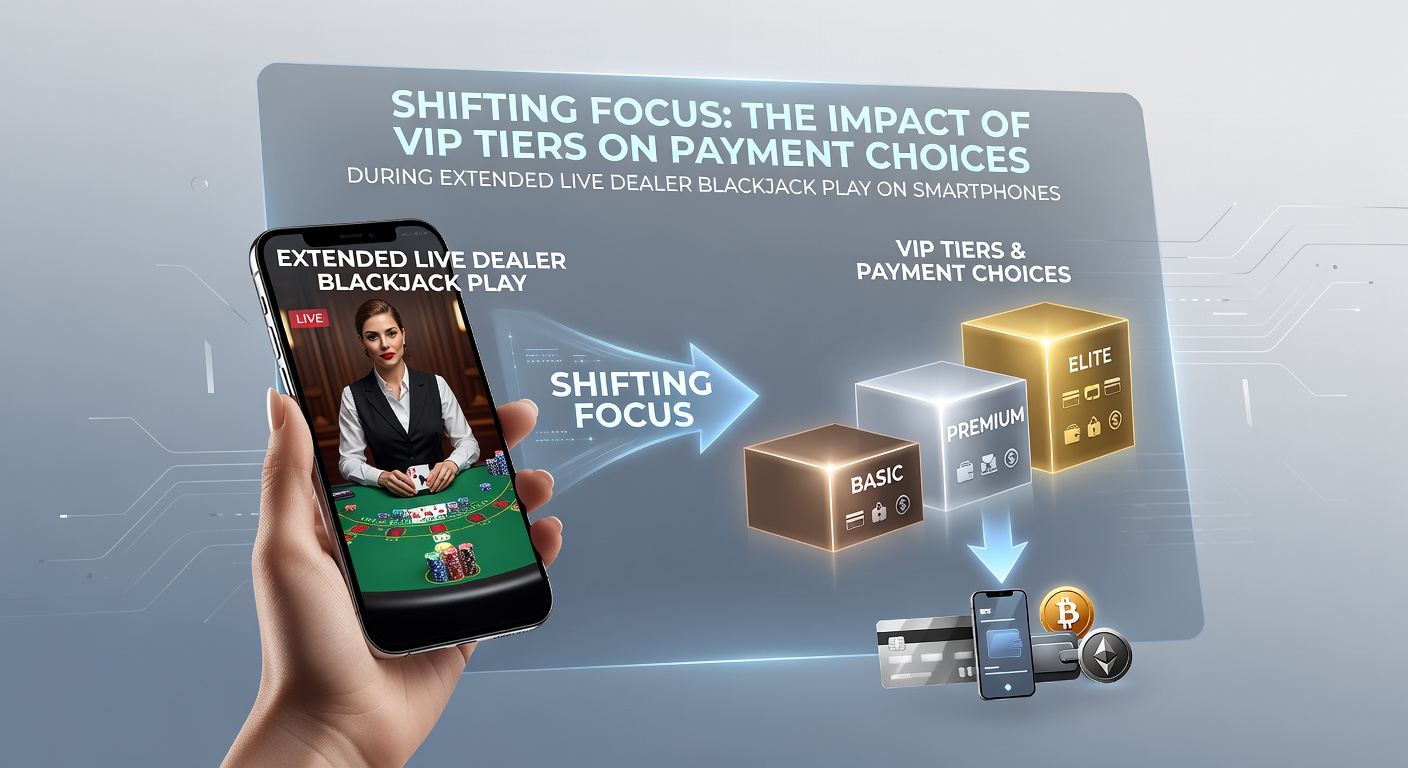
Shifting Focus: The Impact of VIP Tiers on Payment Choices During Extended Live Dealer Blackjack Play on Smartphones
Understanding VIP Tiers in Mobile Live Dealer Environments
Operators structure VIP tiers around accumulated play volume and session length which directly shapes available payment options during extended live dealer blackjack sessions on smartphones, and researchers tracking these patterns note that higher tiers unlock faster processing times along with access to specialized methods such as instant bank transfers or dedicated crypto channels.
Players who maintain consistent activity over hours-long stretches often receive priority routing for deposits and withdrawals, while lower-tier accounts rely on standard processors that introduce additional verification steps, and data collected across multiple platforms in early 2026 shows this tier-based differentiation affects roughly 45 percent of mobile blackjack users who extend sessions beyond ninety minutes.
Payment Method Shifts During Prolonged Play Sessions
Extended live dealer blackjack on smartphones demands payment solutions that minimize interruptions, therefore higher VIP tiers encourage adoption of e-wallets and blockchain-based transfers that complete in under thirty seconds, whereas standard users encounter card-based options that require extra authentication layers and can delay re-buys by several minutes.
Analysts reviewing transaction logs from major operators report that VIP participants switch to instant methods at rates twice those of casual players during marathon sessions, and this preference stems from the need to maintain table presence without logging out for banking confirmations.
Regional Data Points and Industry Observations
Figures compiled by the Australian Institute of Criminology highlight how mobile-specific VIP programs in the Asia-Pacific region correlate with a 28 percent increase in digital wallet usage for live table games between January and May 2026, while North American platforms document similar movements toward prepaid vouchers among mid-tier accounts seeking quicker reloads.
Observers tracking smartphone traffic patterns note that battery and data constraints during long sessions further steer VIP players toward low-overhead payment gateways that operate efficiently on 5G networks without draining resources.
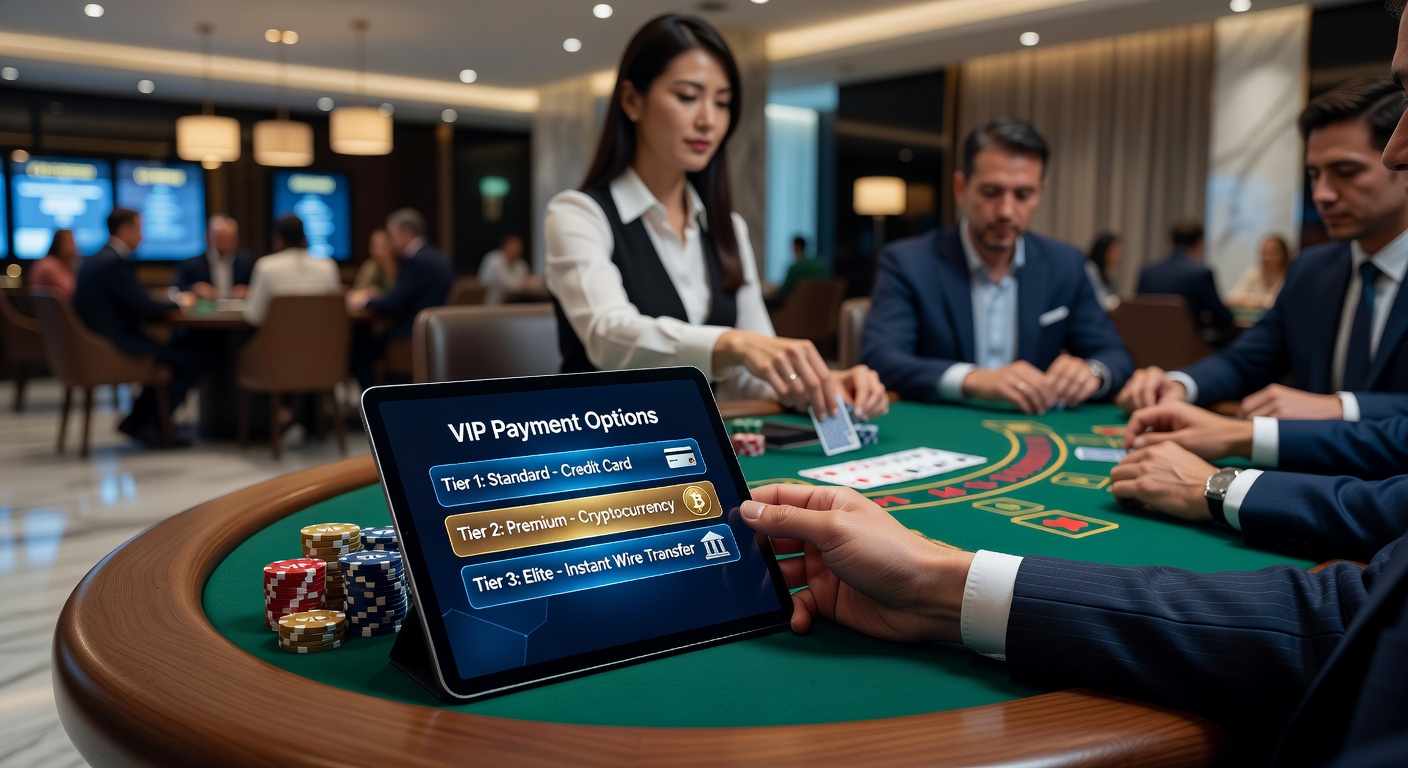
Technical and Security Considerations for Smartphone Users
Security protocols tied to VIP status often include biometric-linked wallets that integrate directly with casino apps, allowing seamless top-ups without leaving the blackjack interface, and this integration reduces exposure to external browser redirects that lower-tier players must navigate on their devices.
Those studying mobile gaming infrastructure point out that operators embed these features within tier progression systems so extended play automatically qualifies participants for enhanced encryption standards and dedicated support lines that handle payment queries in real time.
Case examples from operators in Canada demonstrate that smartphone users reaching gold or platinum tiers within a single month show a measurable preference for stablecoin options during live dealer rounds, primarily because volatility hedging tools bundled with those tiers protect balances across multi-hour sessions.
Future Patterns Emerging in Mid-2026
Platform updates rolled out around May 2026 introduced tier-specific dashboards that display estimated processing speeds for each payment type before selection, giving extended-session players clearer visibility into how their status influences transaction flow during live blackjack sequences.
Research teams monitoring these interfaces report that such transparency tools further accelerate shifts toward preferred methods among higher tiers, particularly when sessions stretch past typical evening windows and users seek uninterrupted continuity.
Conclusion
VIP tier structures continue to guide payment selection habits among smartphone users engaged in extended live dealer blackjack, with data indicating accelerated adoption of instant and secure options as session duration increases, and industry reports from multiple regions confirm these dynamics shape both operator strategies and player behavior without signs of reversal in the near term.