Seasonal Player Migration Patterns Reshape How Reward Tiers Adapt Across Digital Card and Wheel Formats During Off-Peak Travel Months
Noah Bennett · May 20, 2026
Seasonal Player Migration Patterns Reshape How Reward Tiers Adapt Across Digital Card and Wheel Formats During Off-Peak Travel Months
Player migration follows predictable seasonal rhythms that force digital platforms to recalibrate reward structures for card and wheel formats alike, and observers tracking these shifts note clear patterns emerging each year when travel volumes drop. Data from multiple regions show that off-peak periods trigger measurable changes in session lengths, game preferences, and loyalty point accumulation rates across blackjack, poker, roulette, and similar titles. These adjustments occur because platforms must maintain engagement when physical travel decreases and screen time rises in its place.
Tracking Migration Through Platform Analytics
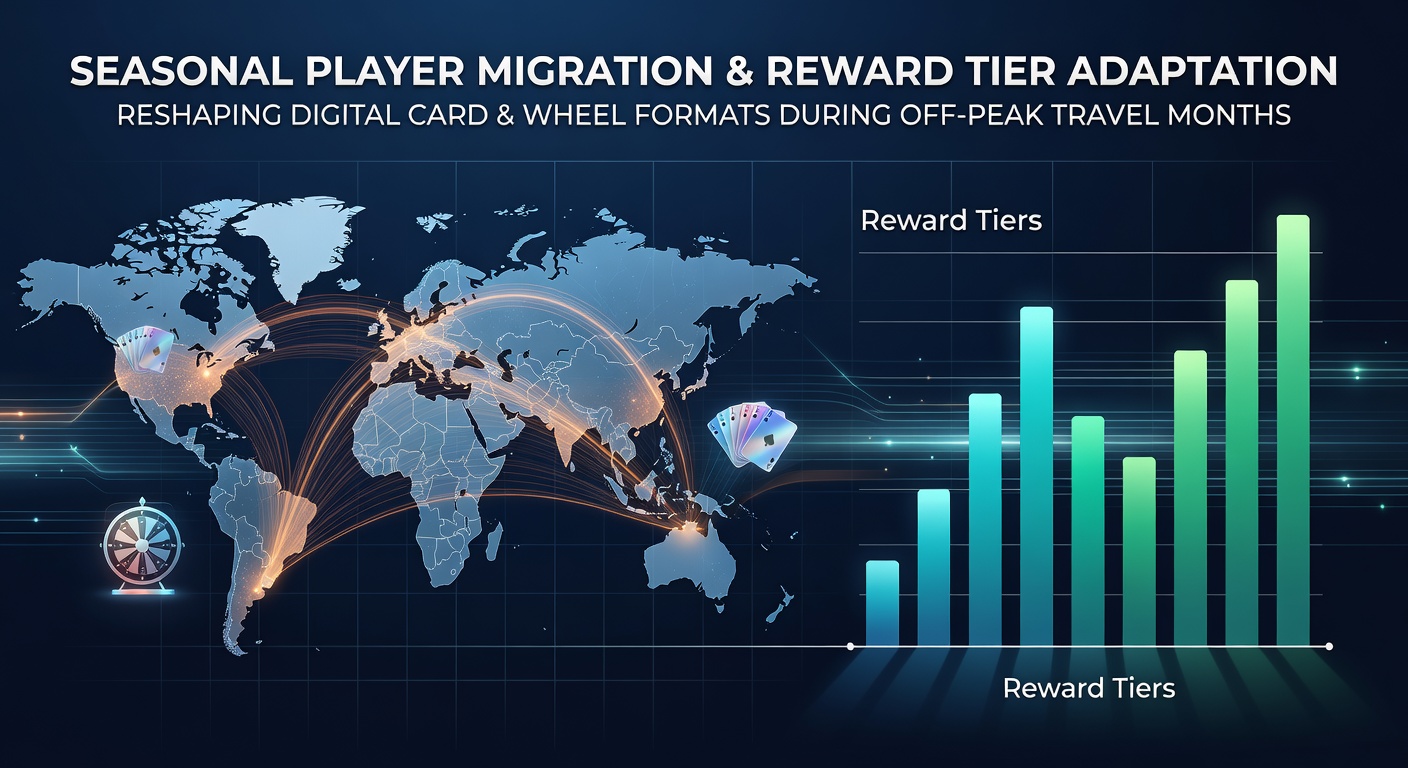
Analysts at research institutions compile anonymized session data that reveal how user locations shift between urban centers and resort destinations during shoulder seasons, and this movement directly influences which reward tiers receive priority updates. In May 2026 figures released by the Nevada Gaming Control Board indicated a 14 percent uptick in digital card game participation compared with peak summer months, while wheel-based formats held steady in regions with stable weather patterns. Platforms respond by tightening or loosening point multipliers depending on these geographic flows rather than relying on fixed annual schedules.
Those who monitor cross-border activity find that players from high-travel markets often reduce real-money sessions when they head abroad, yet they frequently return to online formats once settled in new time zones. Reward systems therefore incorporate flexible thresholds that activate automatically when aggregate login patterns deviate from established baselines. This approach prevents tier stagnation during quieter intervals without requiring manual intervention each cycle.
Adjustments in Digital Card Formats
Card-focused environments such as digital blackjack and video poker experience the most noticeable recalibrations because session duration tends to lengthen when external travel options contract. Reward tiers expand bonus eligibility windows to accommodate slower accumulation periods, and several operators introduce temporary leaderboard challenges that reset weekly instead of monthly. Evidence from industry reports shows these modifications sustain retention rates even as overall transaction volumes fluctuate.
One study conducted by a Canadian research consortium tracked 2.3 million accounts over three consecutive off-peak cycles and discovered that card game players who maintained consistent login streaks received accelerated progress toward mid-tier perks. Platforms achieve this by weighting recent activity more heavily during migration lulls, which keeps active users from slipping backward while new arrivals from different regions integrate into existing structures. The result appears as smoother progression curves rather than abrupt jumps or drops.
Wheel Format Adaptations and Regional Variations
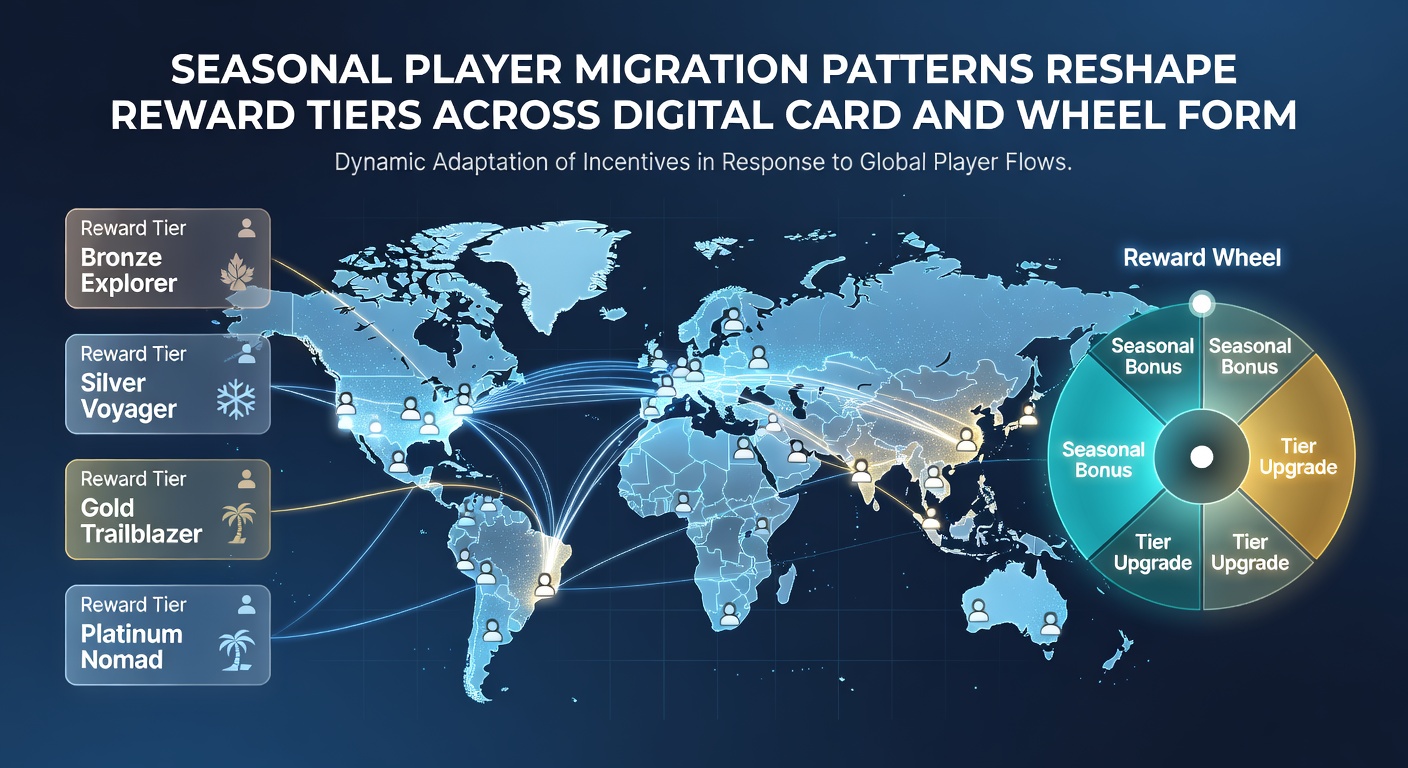
Wheel titles such as roulette and big wheel variants follow separate adaptation logic because their shorter session times align differently with migration rhythms. Data compiled across European markets reveal that reward multipliers for consecutive wins receive temporary boosts when player density decreases in certain time slots. These targeted incentives encourage repeat spins without altering core payout tables.
Operators serving Australian and Asian user bases apply distinct regional filters because seasonal travel calendars there diverge from North American patterns. When May 2026 travel statistics showed reduced departures from major Australian cities, several platforms extended wheel-tier qualification periods by ten days to capture returning domestic players. The adjustments remain transparent through in-app notifications that explain the temporary rule changes in straightforward language.
Integration of Loyalty Mechanics Across Formats
Cross-format loyalty programs now blend card and wheel activity into unified tier calculations, which allows migration effects in one category to influence progress in the other. Observers note that this interconnected design prevents fragmentation when users switch between game types based on current promotions. Points earned from extended blackjack sessions can accelerate wheel bonus eligibility, and vice versa, creating a buffer against uneven participation rates.
Reports from the Singapore Tourism Board gaming division highlight how integrated systems maintained steady tier advancement rates throughout early 2026 despite variable international arrival numbers. The approach relies on weighted algorithms that factor in both volume and consistency rather than raw totals alone. Players therefore encounter fewer surprises when crossing between digital card tables and wheel interfaces during transitional months.
Conclusion
Seasonal migration continues to drive iterative refinements in reward architecture for digital card and wheel offerings, and platforms that monitor these patterns in real time maintain steadier engagement across off-peak windows. The combination of location-aware analytics, flexible qualification periods, and cross-format point sharing produces systems that respond to actual user movement rather than static calendars. As travel volumes shift again in coming cycles, further calibration remains likely based on the same data streams already shaping current practice.