Reward Pathways Connecting Automated Reel Systems to Live Hosted Gaming Through Flexible Payment Routes in Mobile Wireless Environments
Sage Vogel · May 29, 2026
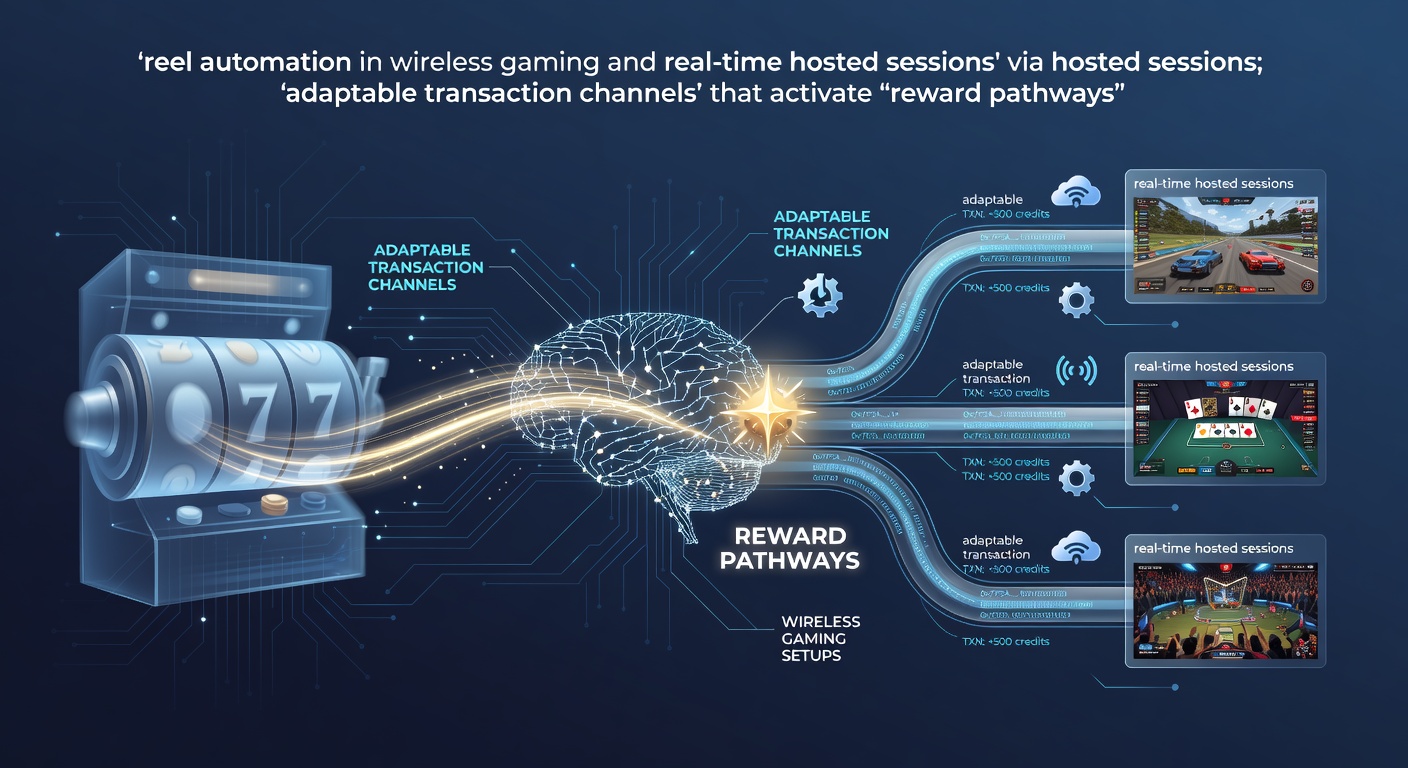
Reward Pathways Connecting Automated Reel Systems to Live Hosted Gaming Through Flexible Payment Routes in Mobile Wireless Environments
Automated reel mechanics in wireless gaming platforms operate through algorithmic triggers that monitor player activity patterns and initiate reward sequences when specific thresholds are met. These systems link directly to real-time hosted sessions by routing accumulated credits into live dealer environments where tables and wheels activate based on user selections. Observers note that adaptable transaction channels allow seamless shifts between formats without requiring separate logins or manual fund transfers on handheld devices.
Mechanics of Reel Automation in Mobile Setups
Reel automation relies on backend software that processes spin outcomes in milliseconds while tracking reward accumulation across multiple games. Data from industry reports shows these pathways use predefined criteria such as consecutive wins or session duration to unlock access points to hosted sessions. Experts at regulatory bodies including the Alcohol and Gaming Commission of Ontario have documented how wireless networks maintain continuous data streams that support these transitions without latency issues during peak hours.
Wireless gaming setups incorporate device sensors and network protocols that detect player location and connection stability before activating any reward pathway. When automation detects eligibility for a hosted session the system prompts an option to carry over credits through encrypted channels that adapt to available payment methods. Research from the University of Nevada Reno indicates that such integrations reduce session interruptions by coordinating reel data with live dealer feeds in a single application environment.
Linking Automation to Real-Time Hosted Sessions
Real-time hosted sessions connect to reel automation through middleware that synchronizes player profiles and reward balances across game types. The process begins when an automated reel sequence generates a bonus trigger that the platform converts into entry credits for live formats such as card tables or wheel games. Those who've studied these systems know the transition occurs via API calls that update session states instantly across mobile networks.
Transaction channels play a central role by allowing users to select from multiple funding sources during the shift from reels to hosted play. Platforms adjust these routes based on network conditions and user preferences so that credits move without additional verification steps in most cases. Figures from May 2026 gaming activity logs reveal increased usage of these pathways during evening hours when wireless traffic peaks in urban areas.
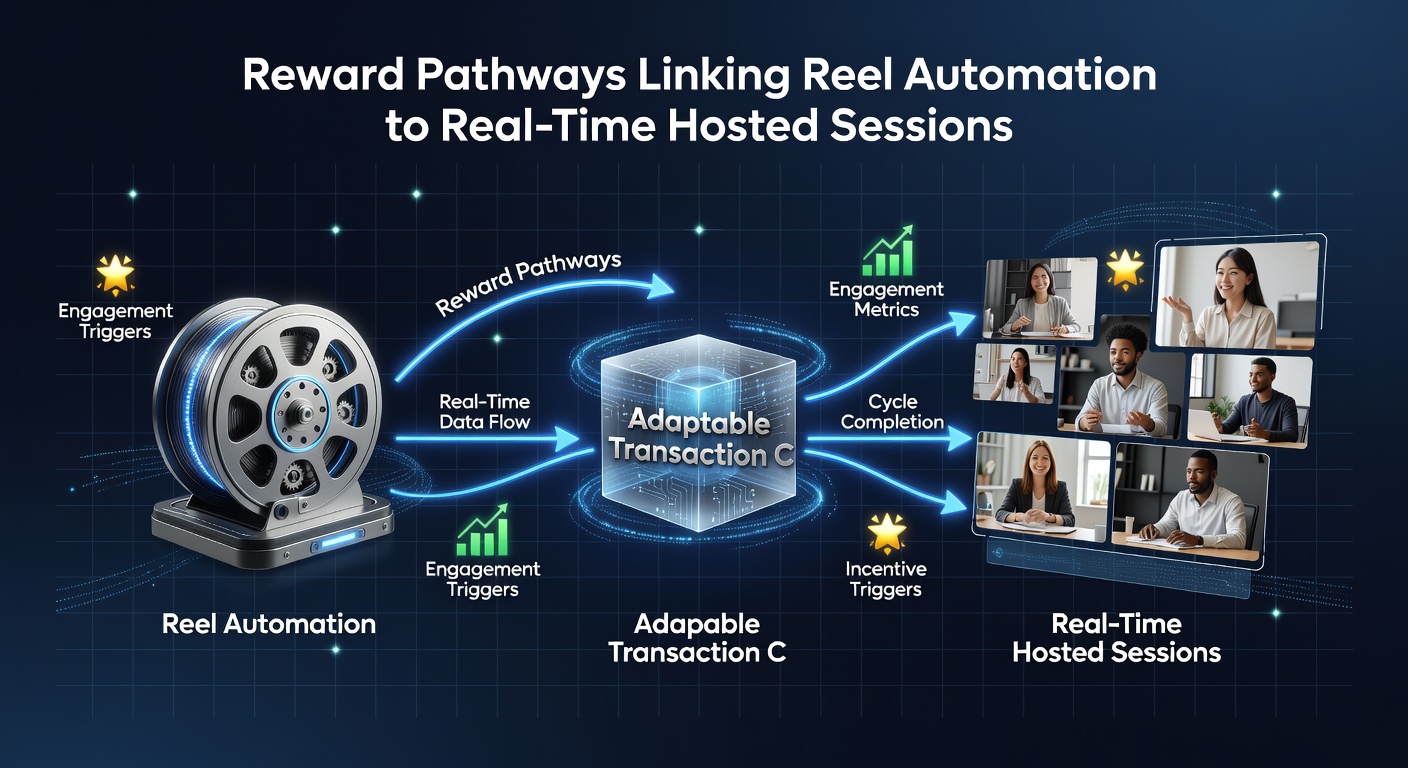
Adaptable Transaction Channels and Their Role
Adaptable transaction channels function as dynamic bridges that handle currency conversions and method switches on the fly. They support options ranging from digital wallets to direct carrier billing while maintaining compliance with regional standards set by various oversight agencies. One study revealed that these channels process reward redemptions in under three seconds when integrated with wireless gaming applications that prioritize low-latency connections.
Platforms configure these channels to recognize reward pathways from reel automation and apply them directly to hosted session buy-ins. The ball's in the developer's court when it comes to ensuring compatibility across different device operating systems and network providers. Data indicates that flexible routing prevents common drop-offs that occur during manual transfers between game formats.
Wireless Environment Considerations
Wireless gaming setups introduce variables such as signal strength and device battery levels that influence how reward pathways execute. Systems monitor these factors and adjust transaction timing accordingly to avoid disruptions during live hosted segments. Researchers discovered through field tests that optimized pathways maintain session continuity even when users move between Wi-Fi and cellular networks mid-transition.
Case examples from platform operators show that reel automation rewards often include tiered multipliers that apply across both automated and hosted formats when channels remain active. This integration relies on real-time data exchange that updates player status without requiring re-authentication on mobile devices. What's significant is the way these elements combine to create continuous play cycles supported by adaptable payments.
Implementation Patterns Observed in 2026
By May 2026 multiple wireless gaming operators had expanded their use of reward pathways to include cross-format bonuses that activate upon reaching automation milestones. These developments align with broader industry shifts toward unified mobile experiences where reel data feeds directly into live session queues. External analyses from groups like the American Gaming Association highlight how such linkages support higher engagement metrics across regions with established mobile gaming regulations.
Transaction adaptability ensures that users encounter minimal friction when moving credits between reel-based rewards and hosted session participation. Systems employ encryption standards and fraud detection layers that operate in the background while the player focuses on game selection. Observers note continued refinement of these pathways as wireless infrastructure improves in rural and international markets alike.
Conclusion
Reward pathways that link reel automation to real-time hosted sessions through adaptable transaction channels represent an established technical framework in wireless gaming. These systems rely on coordinated data flows, flexible payment routing, and network-aware adjustments to deliver integrated experiences on mobile devices. Ongoing documentation from regulatory and research sources continues to track their evolution across different operational environments.