Reward Distribution Patterns That Extend Participation Between Reel Systems and Live Table Formats Via Smartphone Transactions
Ben Roth · Jun 12, 2026
Reward Distribution Patterns That Extend Participation Between Reel Systems and Live Table Formats Via Smartphone Transactions
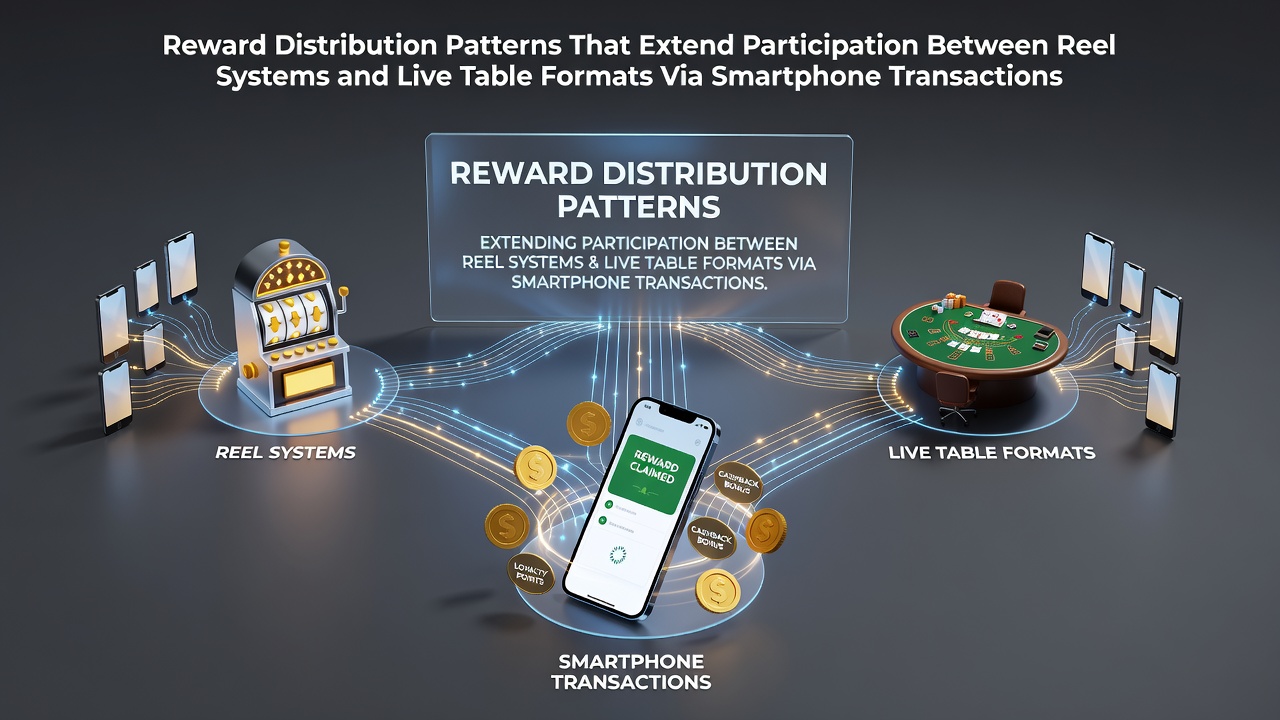
Operators have developed reward distribution patterns that link automated reel systems with live table formats through smartphone transactions, allowing players to maintain continuity across game types without resetting progress or losing accumulated incentives. These patterns rely on real-time data synchronization and flexible payment routing that updates player accounts instantly when they switch from spinning reels to joining hosted tables. Data from industry tracking services shows participation rates rising when rewards transfer seamlessly between formats on mobile devices.
Core Mechanisms Behind Cross-Format Reward Flows
Smartphone apps handle the core transfer process by converting loyalty points or bonus credits earned on reel machines into equivalents usable at live dealer tables, and the reverse path works equally well. Systems track metrics such as spin volume, wager size, and session duration then apply predefined multipliers when players move to card or wheel games. According to reports from the Nevada Gaming Control Board, mobile transaction volumes between slot and table categories grew steadily through the first half of 2026, with June figures indicating that 38 percent of active accounts completed at least one cross-format reward redemption that month.
Allocation rules often include tiered multipliers that increase the longer a player maintains activity across both formats within a single session window. A player completing 200 spins on reels might receive credits that convert at a 1.2 rate when applied to a live blackjack table, while the same credits earned at the table convert back to reel bonuses at a 1.1 rate. These ratios encourage extended participation because they reward movement rather than prolonged focus on a single category.
Smartphone Transaction Infrastructure Supporting the Patterns
Wireless environments enable these flows through encrypted wallet connections that authorize micro-transfers without requiring players to exit one game interface and reload another. Apps maintain a unified balance view that updates within seconds of each transaction, reducing friction that previously caused players to abandon one format for the other. Observers note that integration with digital payment rails allows operators to apply region-specific rules on electronic transfers, such as daily redemption caps or verification steps, while still preserving the reward connection between reel and table play.
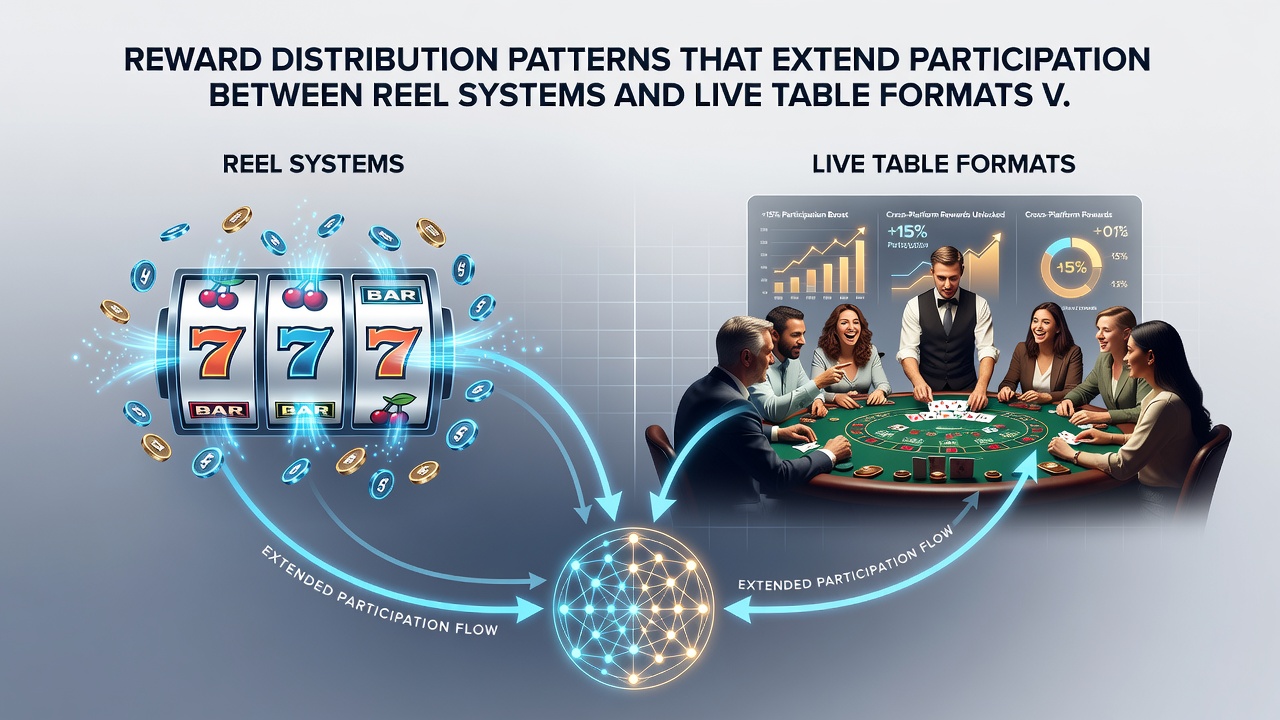
Security protocols embedded in these apps segment transaction logs by game type yet merge them for loyalty calculations, ensuring that activity on both reel systems and live tables contributes to the same overarching tier progression. In June 2026, several major platforms reported that average session length increased by 22 minutes when players utilized the transfer feature compared with accounts that remained in one category. This metric aligns with findings from academic studies on mobile engagement patterns published by research teams at the University of Nevada, Las Vegas, which examined how unified reward ledgers influence switching behavior.
Observed Patterns in Player Movement and Reward Utilization
Analysis of transaction records reveals recurring sequences where players begin with reel sessions to build initial credits, move to live tables during peak hours when dealer availability increases, then return to reels once table limits tighten. Reward structures accommodate these sequences by preserving unused portions of converted credits across the switch, preventing loss of value. Regional regulatory variations affect how quickly these conversions process, with some jurisdictions requiring additional confirmation steps for transfers exceeding set thresholds.
Case examples from operator dashboards illustrate that players who complete at least three cross-format redemptions per week show retention rates 15 percent higher than those who stay within one format. The patterns hold across different device types and operating systems, suggesting the infrastructure itself drives the behavior more than hardware differences. Data indicates that off-peak periods see even stronger uptake of these reward pathways because players seek ways to stretch smaller bankrolls across multiple game types.
Conclusion
Reward distribution patterns that connect reel systems and live table formats through smartphone transactions have become a standard feature in many mobile casino environments by mid-2026. These systems rely on synchronized tracking, tiered conversion rates, and secure wireless transfers to maintain player engagement across categories. Reports from regulatory bodies and academic sources document measurable increases in session duration and cross-format activity when such mechanisms operate without interruption. The infrastructure continues to adapt to regional payment rules while preserving the core function of extending participation through unified reward flows.