Payment Flexibility Enabling Shifts From Reel-Based Gaming to Live Dealer Experiences in Mobile Platforms
Ben Roth · Aug 21, 2026

Payment Flexibility Enabling Shifts From Reel-Based Gaming to Live Dealer Experiences in Mobile Platforms
Operators have developed incentive structures that connect automated reel systems with interactive dealer sessions, and these pathways rely on adaptive mobile payment options to maintain player engagement across formats. Data from multiple jurisdictions indicate that transaction flexibility influences how users move between solitary reel spins and communal table play, particularly on handheld devices where session continuity matters. In August 2026, several regional reports highlighted increased adoption of tiered reward mechanisms that adjust based on payment method and game type selected within the same app environment.
Core Mechanics of Incentive Pathways
Reel-based games generate points through spin volume and bet size, while live dealer formats accumulate value via table time and hand frequency, yet both feed into unified loyalty ledgers when mobile payments handle the transfers. Researchers at academic institutions studying digital gaming patterns have observed that players who complete a series of automated spins often receive prompts to apply accumulated credits toward dealer-hosted rounds without leaving the application. This linkage occurs because payment processors embed rules that recognize prior activity and adjust bonus eligibility accordingly, reducing friction during format changes.
Payment gateways now support real-time conversion of loyalty units into playable balances across game categories, and this capability expands during promotional windows when operators activate cross-format multipliers. Observers note that such systems track device location and session duration to determine which incentives activate next, creating a continuous flow rather than isolated experiences. Those who monitor these platforms report that users frequently alternate between formats within single sessions when transaction limits remain consistent regardless of game selection.
Role of Mobile Payment Adaptations
Adaptive options include wallet integrations, instant bank transfers, and cryptocurrency rails that adjust fee structures and processing speeds based on player tier and game preference. Figures from state regulatory filings reveal that apps offering multiple payment routes see higher rates of format switching, since users can maintain momentum without re-entering financial details. One study from a North American research center found that participants using flexible mobile options completed an average of 2.7 transitions per hour between reel and dealer content, compared with lower rates among those limited to single-method transactions.
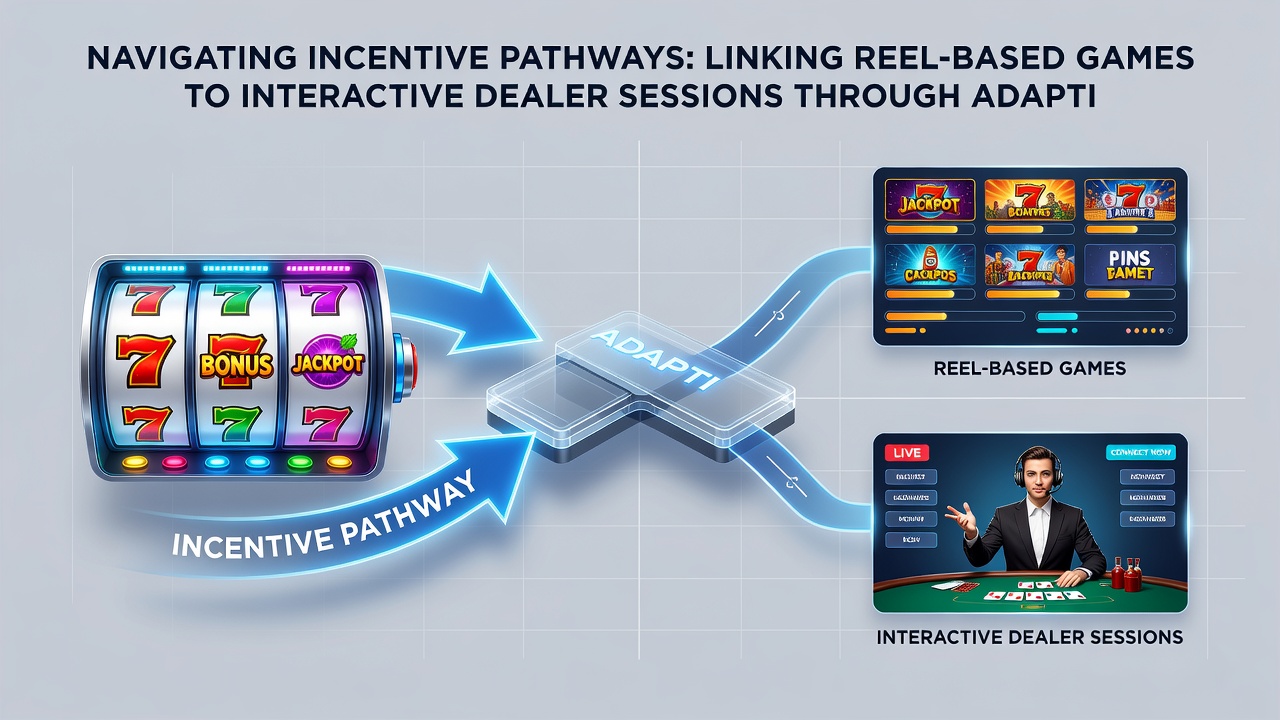
Payment providers have introduced conditional bonuses that trigger only after a player moves from reel play to a dealer session within a set timeframe, and these conditions appear in the terms presented during deposit confirmation. In practice, the same account balance supports both automated reels and hosted tables because backend ledgers reconcile activity across categories without manual intervention. Data collected through August 2026 shows regional differences in how quickly these reconciliations occur, with some markets requiring additional verification steps when cross-border elements enter the transaction.
Regulatory Influences on Pathway Design
Jurisdictions maintain distinct rules governing electronic transfers in gaming applications, and these rules shape how operators structure their incentive flows. The New Jersey Division of Gaming Enforcement publishes periodic summaries that detail acceptable payment methods and associated reporting requirements, which in turn affect how rewards transfer between game types. Meanwhile, industry associations in other regions compile comparable data that operators reference when updating mobile interfaces for compliance.
Payment route restrictions sometimes limit the speed at which incentives move from one format to another, prompting developers to build fallback mechanisms that preserve player progress. Those who analyze compliance reports note that markets with clearer guidelines on mobile wallet usage experience smoother integration between reel and dealer ecosystems. August 2026 filings from multiple oversight bodies underscore ongoing adjustments to these guidelines as transaction volumes continue to rise.
Observed Patterns in Player Navigation
Analytics platforms capture sequences where users finish a reel session and immediately enter a dealer table using the same deposited funds, and these sequences correlate with specific payment types that support instant balance updates. Case examples shared at industry conferences illustrate how certain reward tiers unlock additional table access after a minimum number of spins, provided the transition occurs through an approved mobile channel. Such patterns emerge consistently across different operator platforms when adaptive payment features remain active.
Seasonal variations appear in navigation data, with off-peak periods showing steadier movement between formats because players extend sessions rather than starting new ones. Observers tracking these movements point to payment confirmation screens that present format-specific incentives as a key factor sustaining engagement during transitions.
Conclusion
Adaptive mobile payment systems continue to underpin the connections between reel-based games and interactive dealer sessions by enabling fluid movement of balances and rewards. Regulatory summaries and industry data through August 2026 demonstrate measurable differences in transition rates tied to payment flexibility, while technical implementations focus on maintaining continuity across game categories. These developments reflect ongoing refinements in how operators manage player pathways within wireless environments.