Mobile Credit Cycles Steering Transitions from Slot Reels to Live Baccarat Tables
Sage Vogel · Jul 29, 2026
Mobile Credit Cycles Steering Transitions from Slot Reels to Live Baccarat Tables
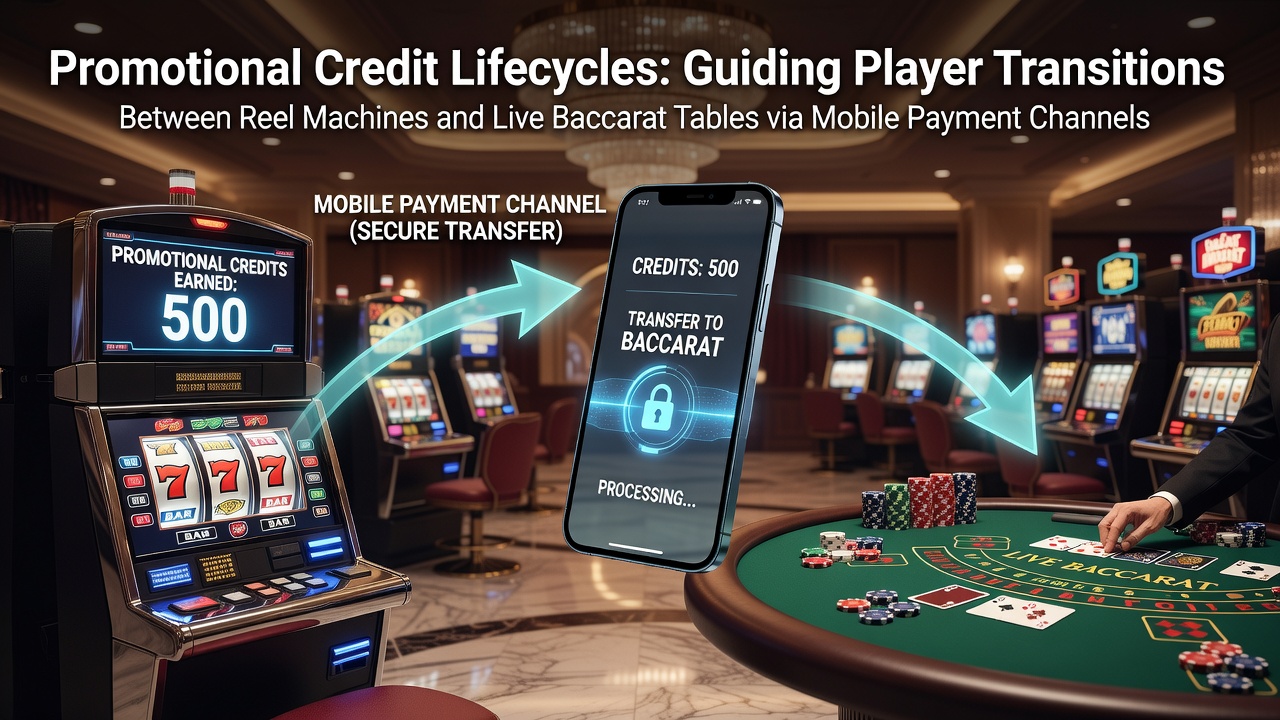
Promotional credit lifecycles operate as structured sequences that allocate bonus funds with defined activation periods, expiration dates, and conversion rules, and these sequences direct player movement across game types when integrated with mobile payment channels. Data from industry tracking services shows that credits issued for reel machines often carry wagering requirements tied to spin volume, whereas credits routed toward live baccarat tables adjust for table minimums and commission structures, creating measurable shifts in session patterns during the same calendar month.
Credit Allocation Mechanics Across Game Formats
Operators design promotional credits so that initial awards attach to automated reel systems before permitting transfers once players meet minimum spin thresholds, and mobile wallets facilitate these transfers through instant authorization protocols that update balances in real time. Studies conducted by regional gaming commissions indicate that July 2026 saw increased cross-format usage in several U.S. markets where mobile deposit limits aligned with credit expiry windows, allowing players to move remaining balances from reels to baccarat without additional fees. Those who monitor transaction logs note that credits expire faster on reel machines due to higher spin rates, which pushes remaining value toward live tables where play pace permits extended utilization before deadlines.
Role of Mobile Payment Channels in Facilitating Shifts
Mobile payment channels process deposits and withdrawals through encrypted apps that recognize credit types and apply lifecycle rules automatically, and this automation reduces manual intervention while maintaining compliance with jurisdictional spending caps. Figures released by the Nevada Gaming Control Board reveal that mobile-initiated transfers between reel and table environments accounted for a growing share of activity in mid-2026, particularly when credits carried time-limited multipliers applicable only after format switches. Players who complete reel sessions often receive notifications prompting immediate baccarat table access, and the same channels handle the conversion of promotional value into live dealer chips without separate verification steps.
Observed Patterns in Player Movement During 2026
Transaction records compiled across multiple operators demonstrate that promotional credits with seven-day lifecycles correlate with higher transition rates from reels to baccarat in the final forty-eight hours before expiration, and mobile apps surface these reminders alongside balance displays. Research from academic gaming studies at institutions in Australia and Canada shows that such timing encourages players to sample hosted tables after initial reel engagement, especially when payment channels support seamless denomination changes between machine credits and table stakes. Observers tracking July 2026 data note that regions with unified mobile wallet standards experienced smoother transitions because credit balances carried forward without additional conversion calculations.
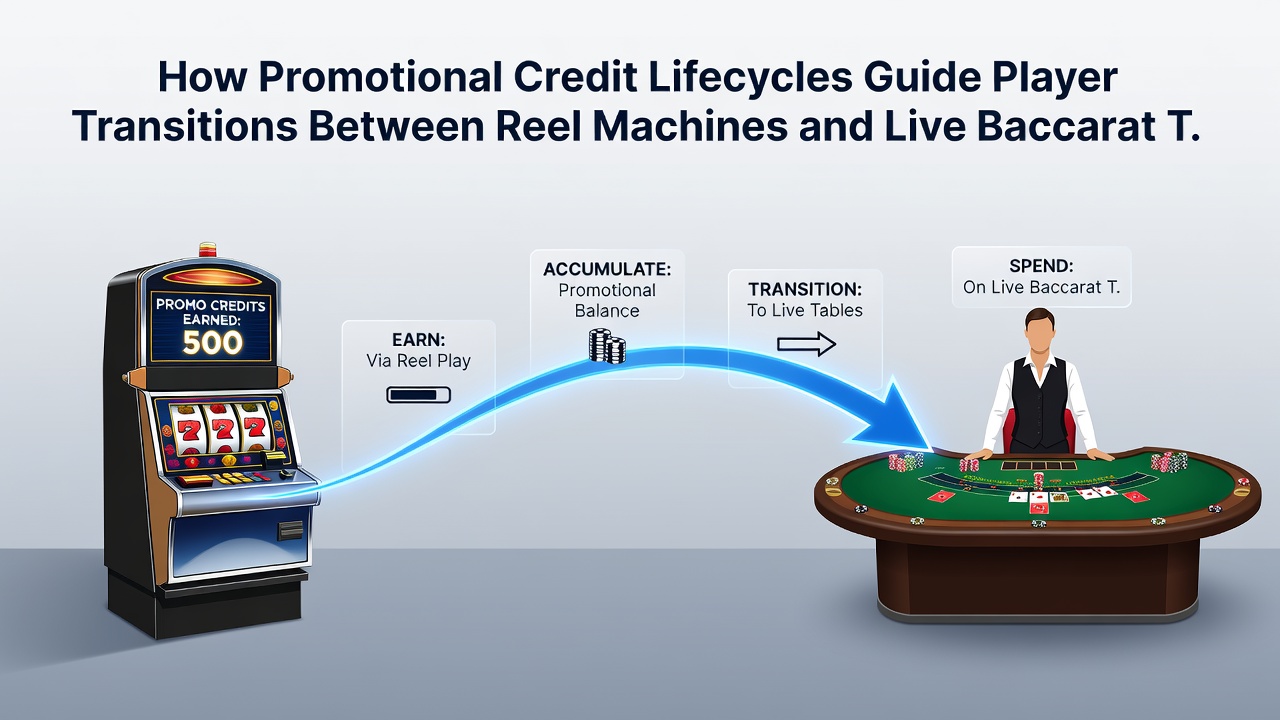
Payment providers integrate with casino platforms to flag credits eligible for table play, and this integration allows operators to adjust promotional parameters based on aggregate movement statistics collected weekly. Data indicates that credits originating from reel machine promotions frequently convert at rates above sixty percent when mobile channels offer instant table access, whereas standalone table promotions show lower cross-format migration.
Regulatory Influences on Credit Lifecycle Design
Regulatory frameworks in different jurisdictions impose distinct rules on how promotional credits may transfer between automated and live formats, and mobile payment channels must embed these rules into their processing logic to avoid compliance violations. Reports from the Canadian provincial gaming authorities highlight that credit expiry notifications delivered through mobile apps reduced instances of unused balances during 2026, while similar mechanisms in European markets emphasized player confirmation before format switches. Those examining cross-border mobile platforms find that currency conversion layers add complexity when credits move internationally, yet the core lifecycle timers remain consistent within each operator's system.
Technical Integration Between Systems
Backend systems synchronize reel machine ledgers with live baccarat table interfaces through application programming interfaces that mobile payment channels access directly, and this synchronization ensures that promotional balances update across both environments without player-initiated reconciliation. Industry reports from research firms tracking North American operators document that API-driven transfers shortened average transition time from reel sessions to table sessions by several minutes compared with earlier manual methods. July 2026 metrics further illustrate that platforms employing unified credit ledgers recorded elevated session continuity when players alternated between solitary reel play and communal baccarat rounds.
Conclusion
Promotional credit lifecycles combined with mobile payment channels create structured pathways that guide player activity from reel machines toward live baccarat tables, and available data from regulatory bodies and industry trackers confirm measurable patterns in transition frequency tied to credit duration and expiry rules. Continued monitoring of these systems across regions provides ongoing insight into how operators refine allocation mechanics to match observed player behavior in wireless environments.