Mapping User Navigation Flows as They Alternate Between Solitary Reel Sessions and Communal Table Engagements via Smartphone Interfaces
Sage Vogel · Jun 10, 2026
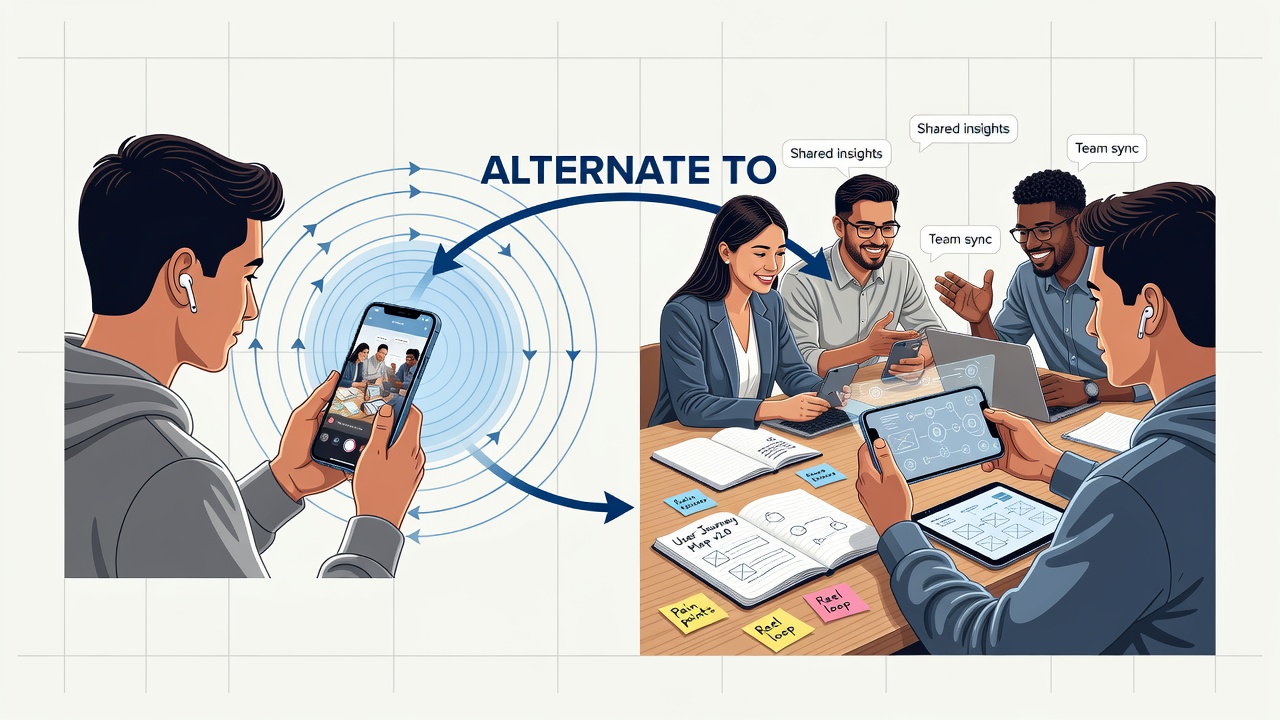
Mapping User Navigation Flows as They Alternate Between Solitary Reel Sessions and Communal Table Engagements via Smartphone Interfaces
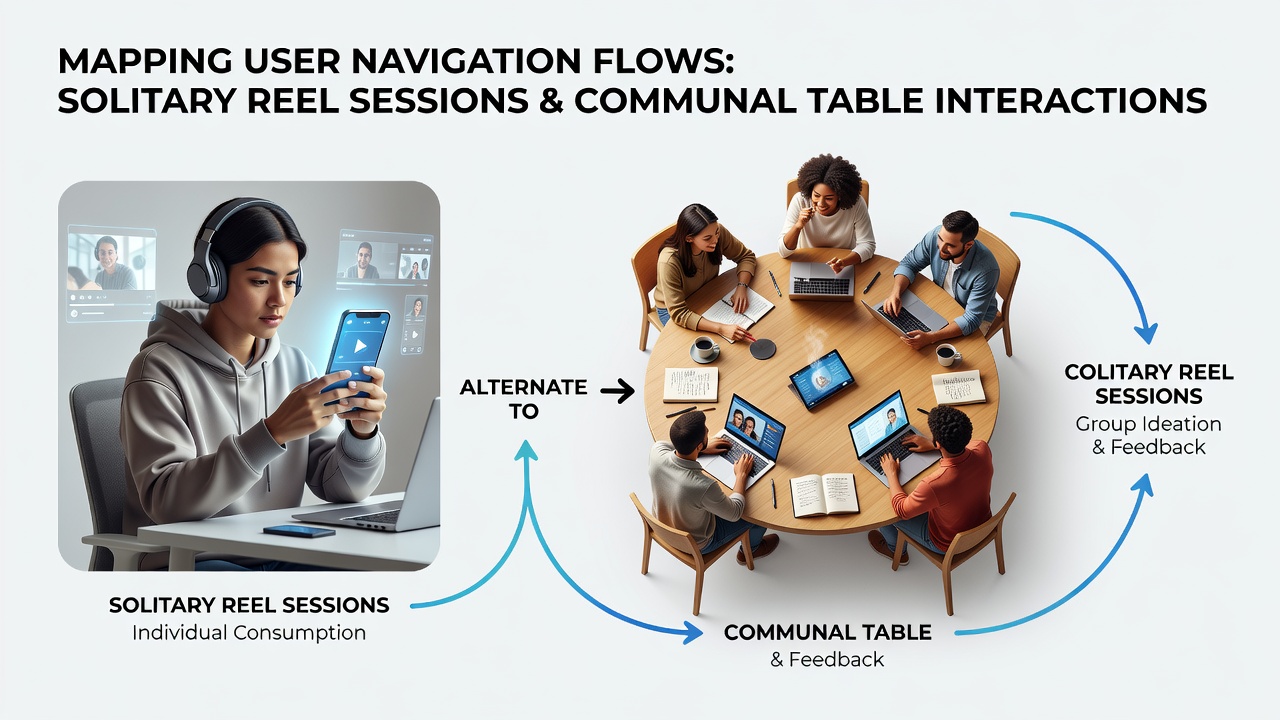
Smartphone interfaces in digital gaming environments track how users move between solitary reel sessions and communal table engagements, creating detailed maps of navigation sequences that reveal consistent patterns across platforms. Researchers at various institutions have documented these flows through aggregated session data, showing that players often begin with automated reel systems before shifting toward hosted table formats within the same app session, particularly during evening hours when engagement peaks.
Core Components of Navigation Mapping
Mapping processes rely on timestamped interaction logs that capture taps, scrolls, and menu selections as users switch between formats, and data from multiple studies indicate that transitions occur most frequently after 15 to 25 minutes of reel play. Observers note that interface elements such as quick-switch buttons and persistent lobby icons facilitate these movements, while push notifications about live dealer availability can accelerate the shift toward communal tables. In June 2026 several platforms reported increased use of these navigation tools following seasonal updates to their mobile applications.
Behavioral Patterns in Format Switching
Users demonstrate repeatable sequences where solitary reel activity precedes communal table sessions, according to aggregated analytics from industry reports, and the reverse pattern appears when players exit live games to return to automated reels for shorter intervals. Factors influencing these alternations include session length, available bonuses tied to specific game types, and device orientation changes that trigger layout adjustments on handheld screens. Those who have examined large datasets find that smartphone users in urban regions tend to favor quicker switches compared with rural demographics, where longer dwell times on each format emerge more often.
Interface Design Elements Driving Flow
Design choices such as tabbed navigation bars and gesture-based swipes enable seamless movement between reel spinners and dealer-hosted tables, and evidence from usability testing shows these features reduce friction during format changes. Color-coded indicators for active sessions further support orientation within the app, while embedded chat functions in communal areas allow players to maintain engagement without leaving the primary interface. Multiple studies confirm that optimized layouts contribute to higher completion rates for cross-format journeys on wireless devices.
Data Insights from Recent Periods
Analytics compiled through June 2026 reveal that average navigation paths contain between three and five distinct switches per extended session, with reel-to-table transitions accounting for roughly 60 percent of recorded movements according to platform telemetry. Regional variations appear when comparing North American and European datasets, where regulatory environments shape how payment integrations influence the timing of these alternations. Academic examinations of similar mobile ecosystems highlight correlations between reward structures and the frequency of format changes, noting that flexible transaction routes embedded in apps encourage sustained alternation patterns.
Technical Considerations in Flow Tracking
Developers employ heat-mapping tools alongside session replay software to visualize navigation routes, allowing precise identification of drop-off points during switches between solitary and communal experiences. Network latency and screen size variations across devices affect the smoothness of these transitions, and reports from telecommunications research groups indicate that 5G adoption has measurably improved continuity in such flows. Integration with external services for live updates on table availability further refines the mapping accuracy, providing clearer pictures of user decision points within the interface.
Conclusion
Comprehensive mapping of navigation flows between reel sessions and table engagements on smartphone platforms continues to yield actionable information for interface refinement, as ongoing data collection through mid-2026 demonstrates stable yet evolving patterns. These documented sequences underscore the role of intuitive design in supporting fluid movement across game types, while external factors such as device capabilities and regional regulations shape the observed behaviors. Continued analysis from diverse sources maintains focus on factual patterns rather than prescriptive recommendations.