Biometric Verification Pathways Linking Automated Reel Play to Hosted Wheel Sessions via Wireless Transfers
Noah Bennett · Jul 15, 2026
Biometric Verification Pathways Linking Automated Reel Play to Hosted Wheel Sessions via Wireless Transfers
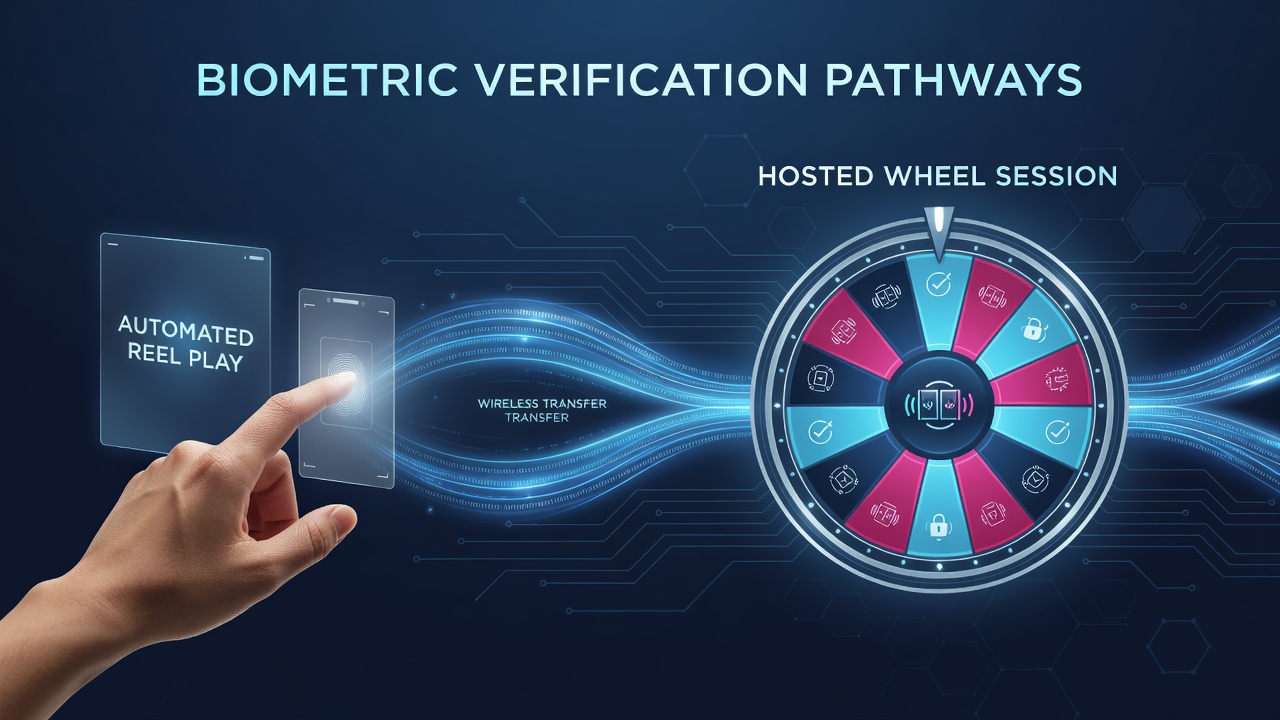
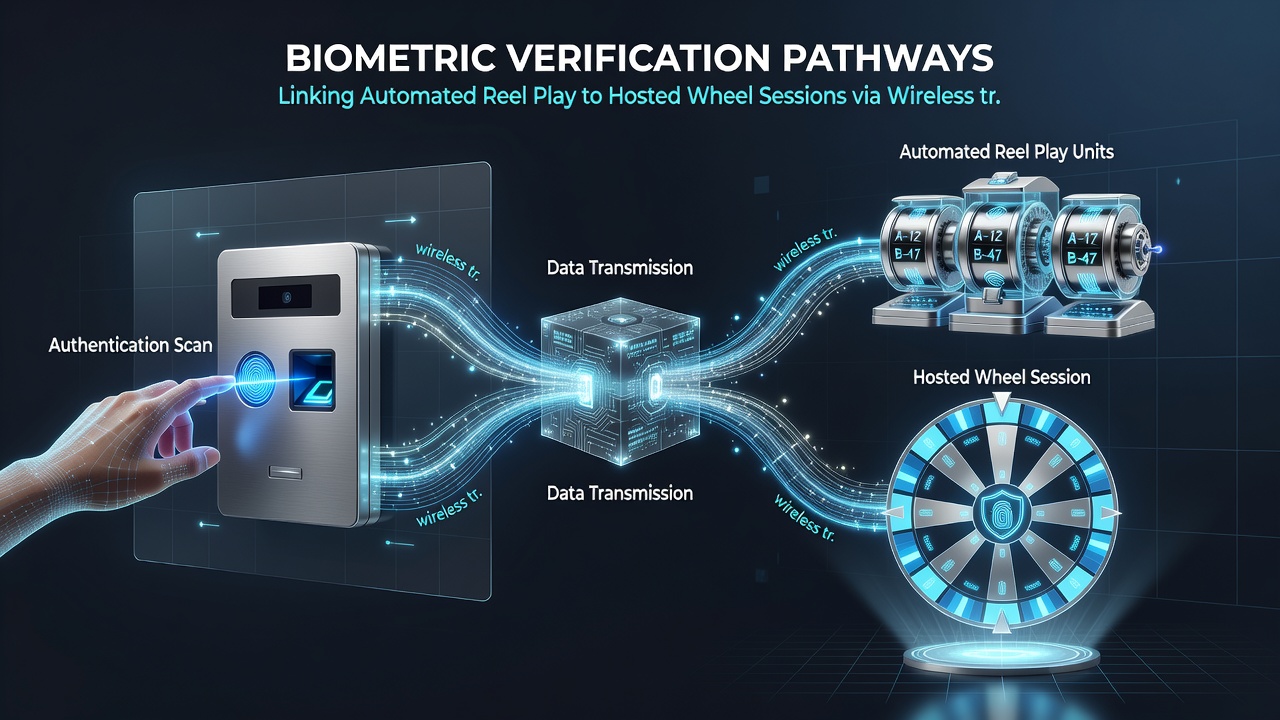
Biometric verification systems now connect automated reel machines with live dealer wheel formats through secure wireless pathways in mobile gaming environments, and these pathways rely on fingerprint scans along with facial recognition to authenticate users during session transfers. Operators have integrated these tools to maintain account continuity when players move from solitary reel spins to communal hosted sessions without manual re-entry of credentials.
Core Components of Biometric Pathways
Systems employ multiple biometric modalities that capture unique physiological data at the device level, then encrypt and transmit it across wireless networks to central verification servers. Fingerprint sensors on smartphones provide rapid one-touch checks while facial recognition algorithms analyze depth maps and infrared patterns for added layers during higher-value transitions. Research from the University of Nevada's gaming technology lab shows that combined modalities reduce unauthorized access attempts by measurable margins compared to single-factor methods.
Data flows through encrypted channels established by casino applications, and these channels handle balance synchronization as players shift between formats. Automated reel play generates transaction records that wireless protocols forward to hosted wheel interfaces, where biometric confirmation triggers immediate access to dealer tables. Such routing occurs in real time, and operators report session continuity rates exceeding prior non-biometric benchmarks.
Wireless Transfer Mechanisms in Practice
Wireless transfers operate via dedicated application programming interfaces that link reel software engines to wheel hosting platforms, and these interfaces validate biometric tokens before releasing funds or credits. Players initiate moves from reel interfaces, complete a scan on their device, and receive confirmation that routes them directly into wheel sessions without separate logins. According to figures from the Nevada Gaming Control Board, wireless transaction volumes in mobile segments grew steadily through mid-2026, with biometric checkpoints appearing in an increasing share of cross-format journeys.
One documented implementation involves regional operators who tested fingerprint-linked transfers between slot reels and roulette wheels during July 2026 updates, and these tests confirmed seamless balance handoffs across networks. The process captures biometric data locally, hashes it for transmission, and matches it against stored profiles on secure servers before authorizing the shift.
Integration Patterns Across Game Types
Reel systems record spin outcomes and accumulated credits in isolated modules, yet biometric gateways allow those credits to transfer into wheel environments where live dealers manage outcomes. Hosted sessions then receive the incoming data streams and adjust table limits based on verified account status. Observers note that such linkages support extended play cycles because players avoid repeated authentication friction when alternating formats.
Industry reports from the European Gaming and Betting Association highlight how wireless biometric routes accommodate varying regulatory requirements across jurisdictions, and these routes adapt encryption strength based on local standards. Data shows that operators using these pathways achieve faster average transition times between automated and hosted formats.
Security and Compliance Considerations
Biometric pathways incorporate liveness detection to distinguish real users from spoof attempts, and this step occurs before any wireless data exchange completes. Servers store templates rather than raw images, which limits exposure if breaches occur. Regulatory bodies in multiple regions require periodic audits of these templates, and compliance records indicate consistent adherence among major providers.
Wireless environments introduce additional variables such as signal variability and device diversity, yet protocols include fallback verification sequences when primary biometric checks encounter interference. Studies from academic sources on mobile security demonstrate that layered approaches maintain integrity even under fluctuating network conditions common in public venues.
Conclusion
Biometric verification continues to shape connections between automated reel play and hosted wheel sessions through established wireless transfer methods, and these connections rely on standardized protocols that prioritize both speed and data protection. Operators maintain records of pathway usage that support ongoing refinements as device capabilities evolve and regulatory expectations shift.