Advancements in Payment Systems Driving Seamless Transitions Between Slot Machines and Blackjack Tables on Mobile Devices
Sage Vogel · Aug 14, 2026
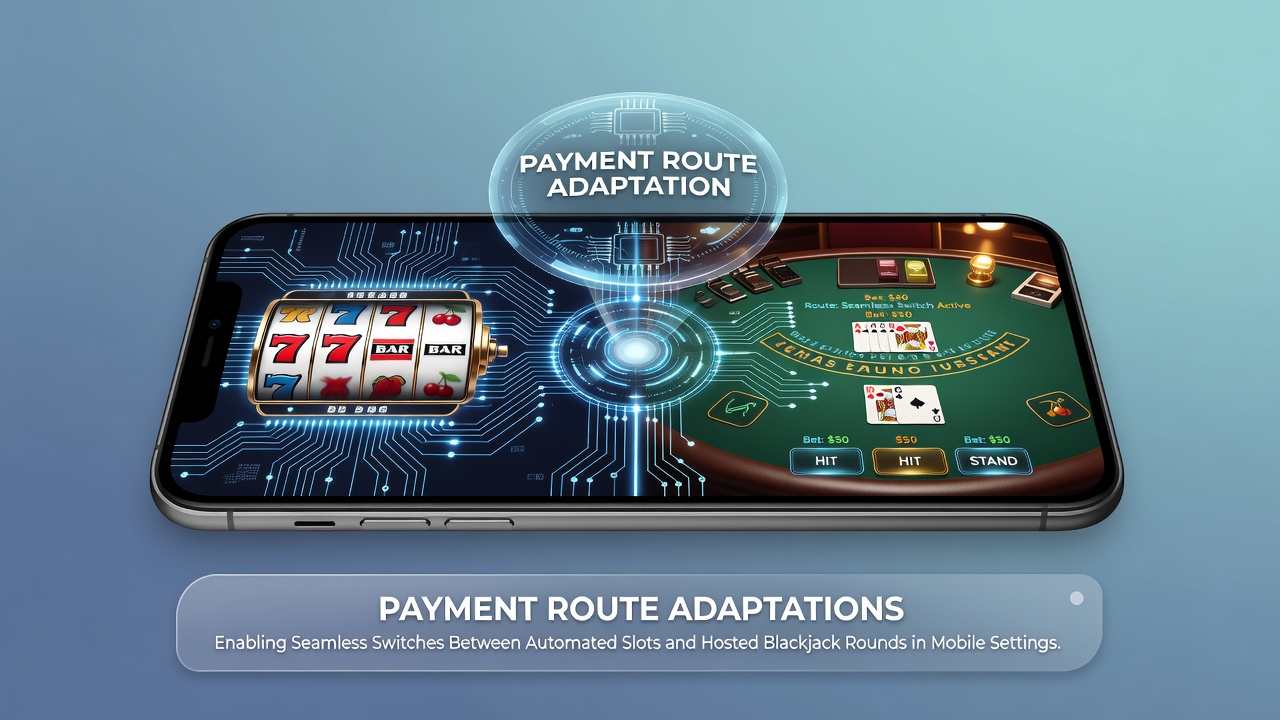
Advancements in Payment Systems Driving Seamless Transitions Between Slot Machines and Blackjack Tables on Mobile Devices
Payment route adaptations have emerged as a core component of mobile casino infrastructure, allowing users to shift funds between automated slot sessions and hosted blackjack rounds without manual intervention or extended delays, and these systems rely on integrated APIs that connect digital wallets directly to game servers while maintaining session continuity across different formats. Data from industry analyses shows that transaction pathways now incorporate real-time balance synchronization, which reduces the steps required when a player decides to leave reel-based automation for dealer-hosted card play on the same device.
Core Mechanisms Behind Route Adaptations
Automated slot environments process high volumes of micro-transactions through randomized number generators, whereas hosted blackjack rounds demand secure verification for each betting cycle, yet modern payment adaptations bridge these differences by routing funds via unified ledgers that support both instant debits and multi-stage approvals, and observers note that this dual compatibility stems from updates in backend protocols rolled out during the first half of 2026. Research indicates that such adaptations often employ tokenization methods, where temporary identifiers replace sensitive account details during switches, which helps maintain compliance across varying regulatory frameworks in different jurisdictions.
Those who've examined mobile app architectures find that conditional routing logic detects game type changes and automatically adjusts fee structures, while data shows that average switch times have dropped below three seconds in optimized platforms, and this efficiency arises because the system pre-authorizes potential transfers based on user history and available credit lines. In August 2026, several operators reported expanded adoption of these conditional routes, particularly in regions where smartphone penetration exceeds 85 percent among active gaming demographics.
Integration with User Navigation Patterns
Users frequently alternate between solitary reel sessions and communal table engagements on handheld interfaces, and payment adaptations accommodate these patterns by embedding quick-transfer buttons within game menus that trigger predefined route selections, according to usage statistics compiled by regional gaming associations. The process works through background reconciliation engines that verify sufficient balances before initiating any move, which prevents interruptions during active rounds, and experts have observed that this setup aligns with broader trends in app-based financial services.
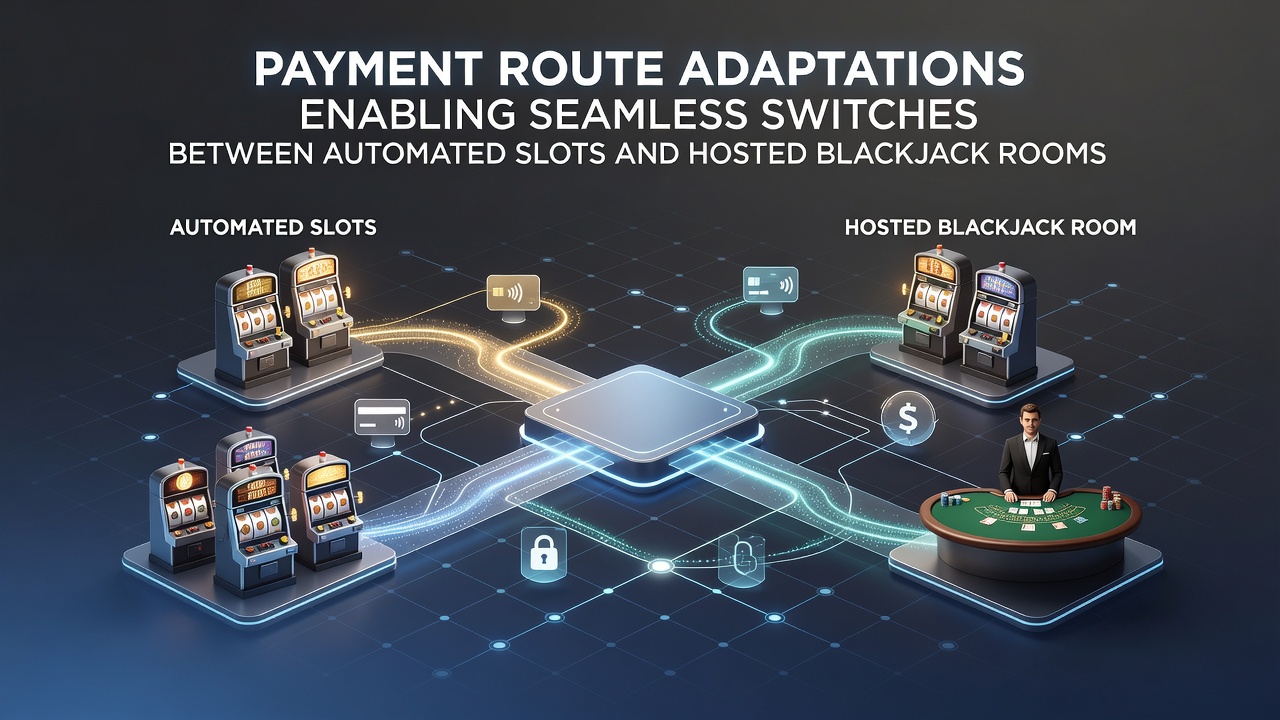
One study revealed that flexible transaction routes reduce user drop-off rates when shifting formats, and this occurs because the adaptations handle currency conversions internally when cross-border accounts are involved, whereas earlier systems required separate external steps. People who've monitored these flows note that the routes also log each transition for audit purposes, creating traceable records that support responsible gaming measures without adding visible friction to the player experience.
Regulatory and Technical Considerations
Regional regulations on electronic payments influence how operators structure these adaptations, and evidence suggests that platforms in North American markets prioritize PCI-DSS certified pathways, while counterparts in Asia emphasize integration with local digital banking networks, and this variation leads to modular designs that operators can customize per deployment. According to reports from the American Gaming Association, such flexibility has supported revenue growth in mobile segments through mid-2026, with transaction volume between automated and hosted games rising steadily.
Technical implementations often include fallback mechanisms that activate when primary routes encounter latency, and researchers discovered that these backups maintain session integrity by queuing transfers until connectivity stabilizes, which proves especially relevant during peak usage periods. The ball remains in the operators' court to ensure these systems scale without compromising encryption standards that protect user data throughout each switch.
Impact on Extended Play Sessions
Patterns in bonus allocation now tie directly into payment route capabilities, allowing rewards earned on slots to transfer automatically toward blackjack buy-ins when users elect to change formats, and this linkage extends participation because the adaptations recognize tiered loyalty points in real time. Data indicates that players utilizing these seamless options tend to maintain longer overall sessions, though individual results vary based on account settings and jurisdictional limits.
Case examples from platform developers show that incorporating predictive analytics into route selection helps anticipate user moves, such as suggesting blackjack tables when slot activity slows, and the underlying payment infrastructure supports these suggestions by pre-loading relevant balance data. What's significant is that these features operate entirely within existing app frameworks, avoiding the need for additional downloads or external verification steps.
Conclusion
Payment route adaptations continue to refine how mobile users navigate between automated slots and hosted blackjack, driven by ongoing technical refinements and alignment with regulatory expectations across multiple regions, and the result is a more connected gaming environment where transaction friction no longer dictates format choices. Future developments will likely build on current foundations, focusing on even faster reconciliation and broader compatibility with emerging digital asset types.